
Project overview
Asset Health is a wellness and technology organization providing technologies, program-design, and coaching to employers. I partnered with them in a team of 4 for my Problem-solving with Information class to conduct research of their end users, employees with chronic conditions
The goal
Deliver data-driven client recommendations informing the design of their wellness programs to support employee wellbeing and long-term success
My role and contribution
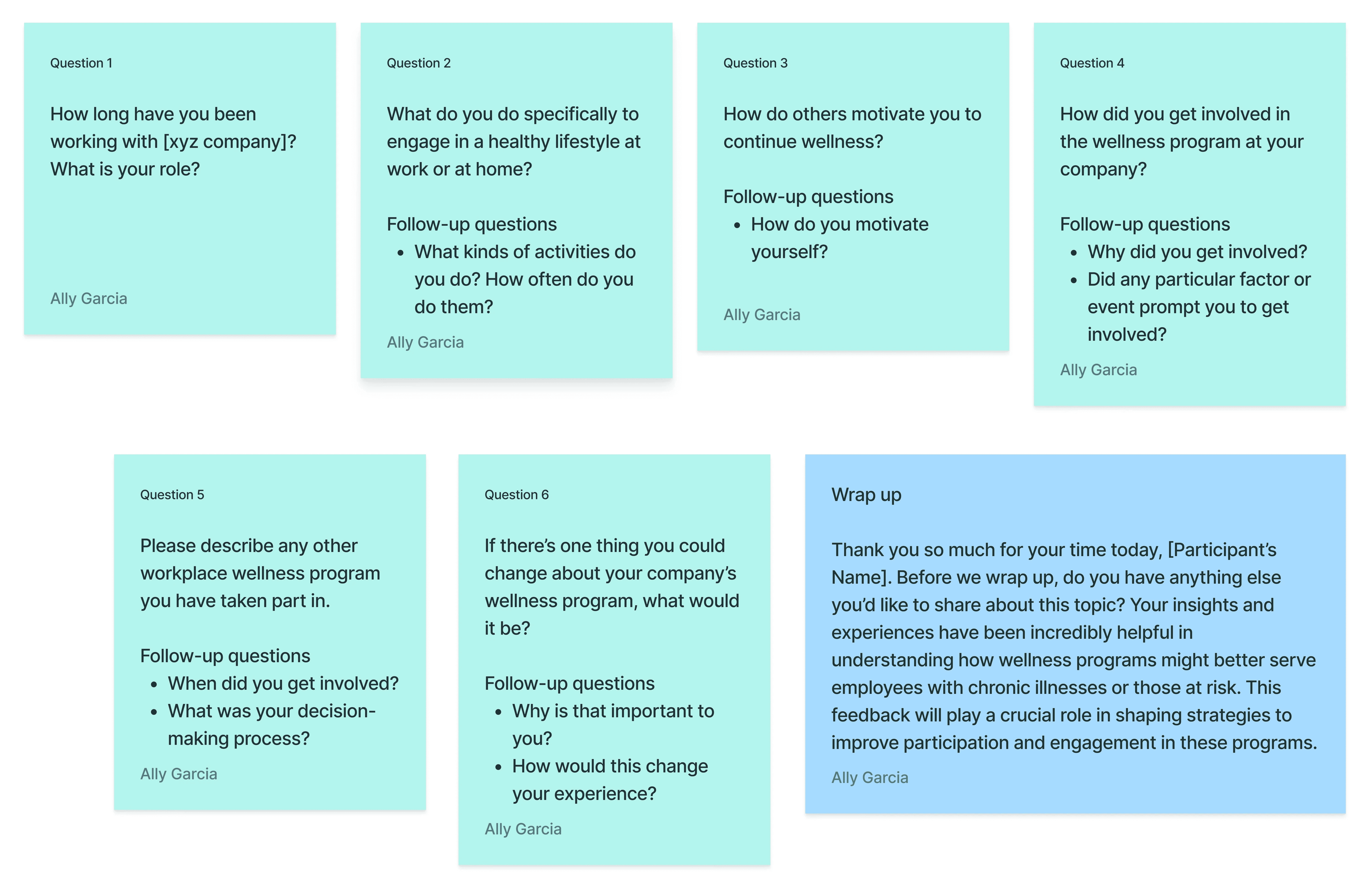
Creating the interview protocol with 15 interview questions
Leading 1 semi-structured interview
Documenting responses of 2 interviews
Synthesizing 150+ codes of data into insights
Outcomes
Although implementation was beyond the scope of this project, our team hoped our research informed their future wellness initiatives
Problem
Employees who are most in need of health interventions are often the least likely to engage in wellness programs
The guiding research question
How might we encourage the participation of employees with, or at risk of, chronic illness to increase employee wellness, motivation, and engagement?
Discovery
Research plan
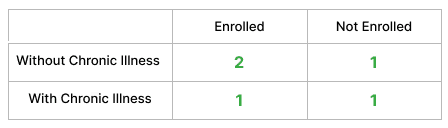
5 User Interviews
Listening to employees who are and are not engaged in wellness programs
1 Client Stakeholder Interview
Secondary Research
1 Survey
Primary research goals
Increase employees with, or at risk of, chronic conditions participation in wellness
Improve active engagement in wellness activities
Increase employee motivation to participate in wellness activities and programs
Methodology
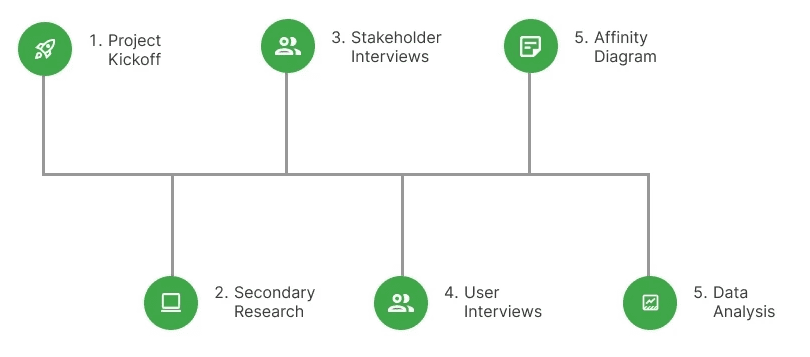
Timeline
Interview participant data
Sample interview questions
Data analysis
Affinity mapping
I extracted interview codes and grouped them based on similar themes, repeating this process with clusters to find emerging trends. Each cluster served as the basis of our insights
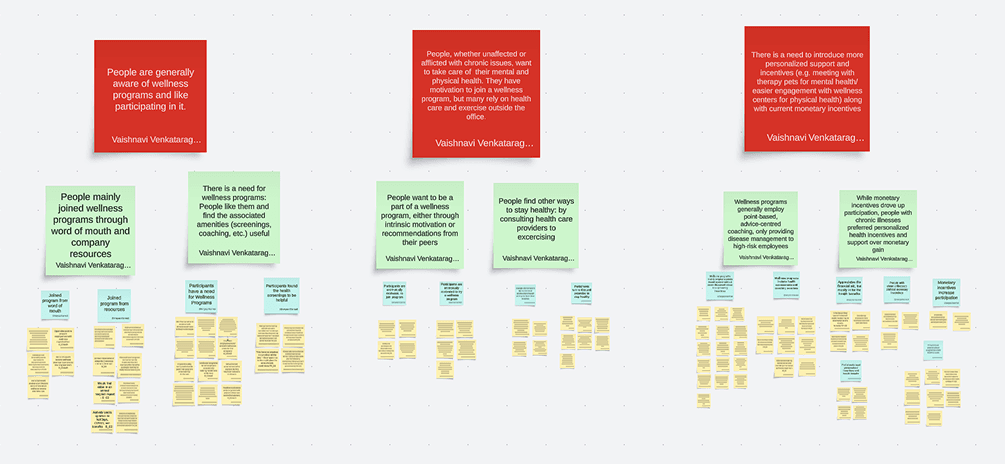
Derived insights
"Signing up for the program should be quick and easy. I can't concentrate long enough to complete the forms"
“I rely on healthcare providers for advice because they’re more realistic”
“The $150 they give me doesn't really matter much compared to the health benefits”
Translating insights into recommendations
Integrating medical care
Streamline the wellness experience by reducing the effort required for program enrollment by integrating previous medical care history
Customized incentive structure
Wellness during work hours
Prioritization
Facing fast deadlines, we did not move forward with the wellness sessions during work hours recommendation due to high cost and implementation, providing the least amount of value for Asset Health
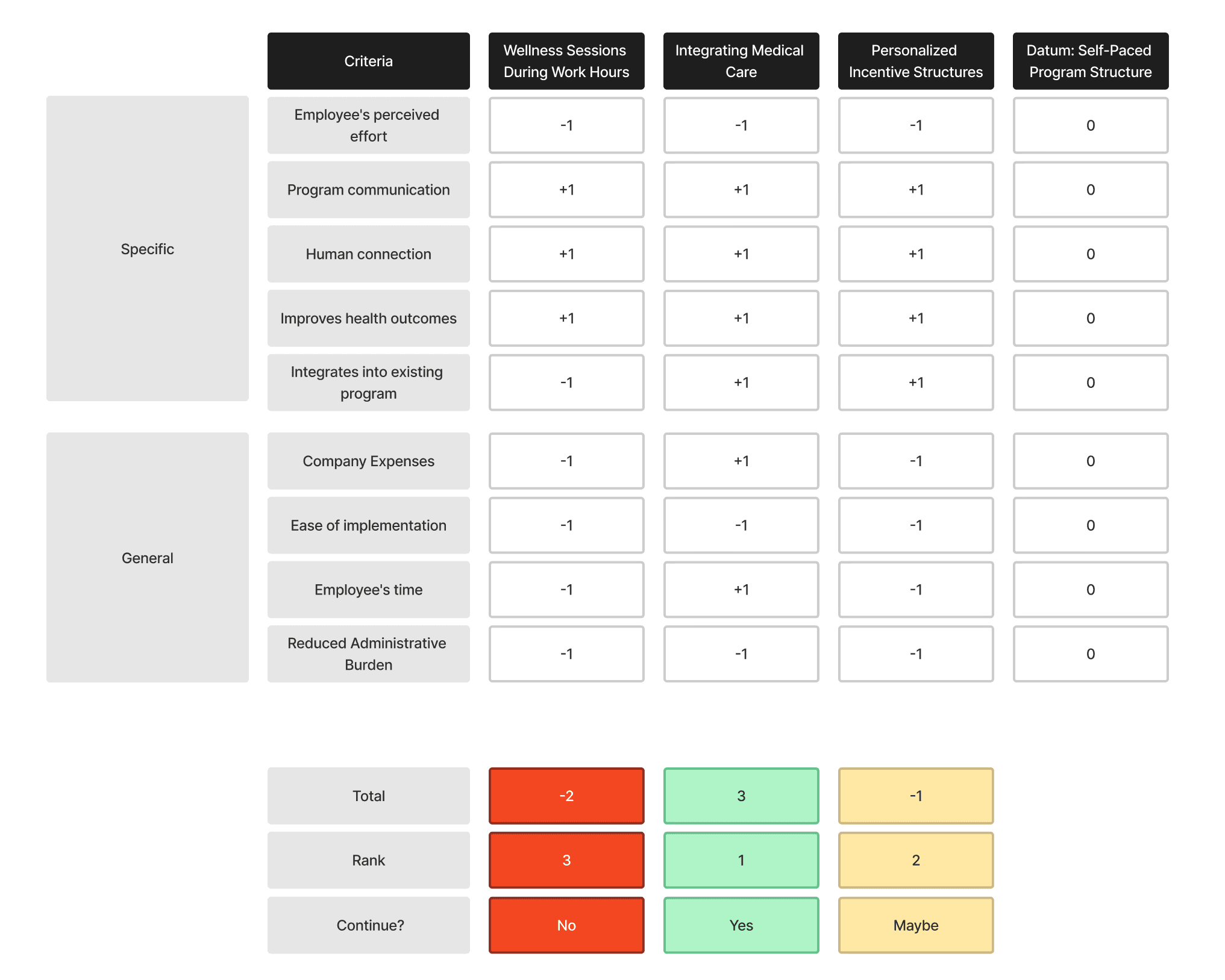
Decision matrix results
Moving forward
Integrating Medical Care
Customized Incentive Structure
Not moving forward:
Wellness Sessions During Work Hours
Final recommendations
During our final research read-out, client stakeholders appreciated that we targeted self-selection bias, a real problem they faced. They also enjoyed that our solution focused on a high-touch approach, aligning with their core values
Integrating medical care
Streamline the wellness experience by reducing the effort required for program enrollment
Customized incentive structure
Learnings
Following this project, I learned 3 valuable lessons
Clear stakeholder communication
Through stakeholder presentations and research read-outs, I learned how to deliver data and research findings in a clear and meaningful way
Translating user insights
Analyzing data challenged me to identify emerging patterns, gather user insights, and translate them into recommendations
Scoping the problem
I learned how to narrow a broad problem space into a focused problem statement through an iterative discovery and definition process
Back to top
More case studies
Check out another project
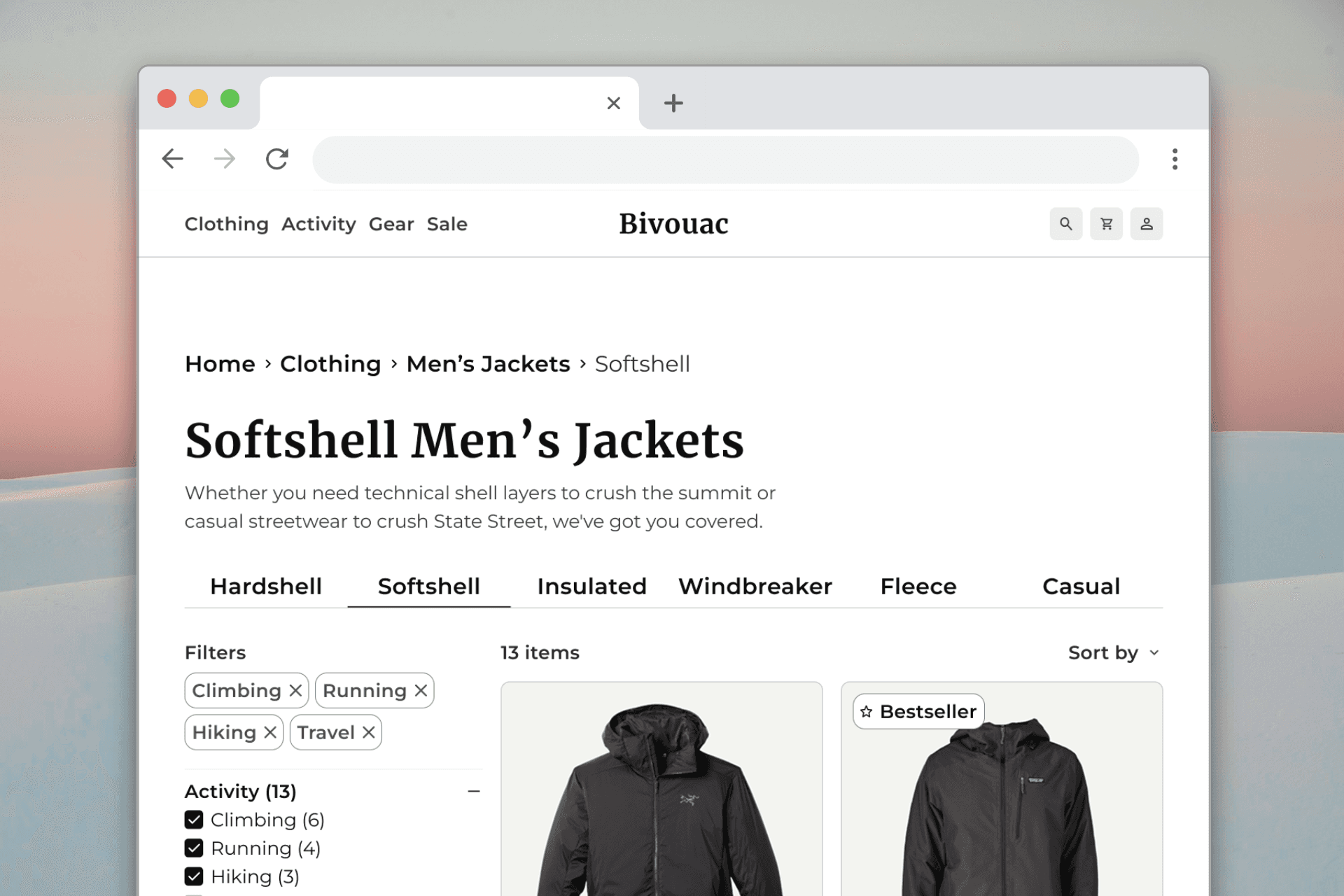
Bivouac
Led redesign of an outdoor retailer, building a 60+ component design system with 100+ variables for developer handoff
UX Design
Design Systems
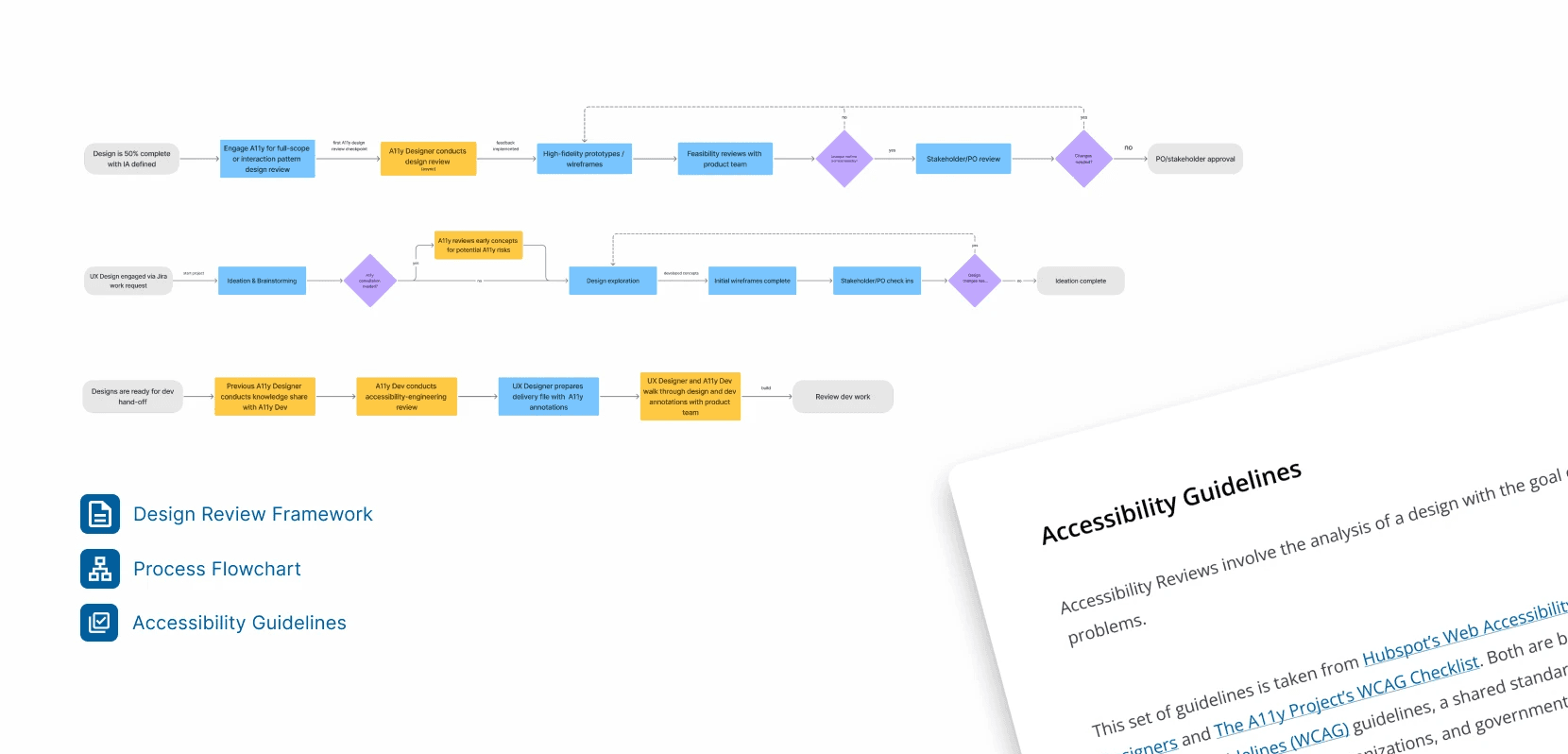
Embedding Accessibility into UX Workflows
Optimized a 2-checkpoint design review process by 30% and scaled to 6 product teams
Mortgage Industry Project
A11y